How Vū One Mini and Vū Studio are Defining the Modern Podcast Studio
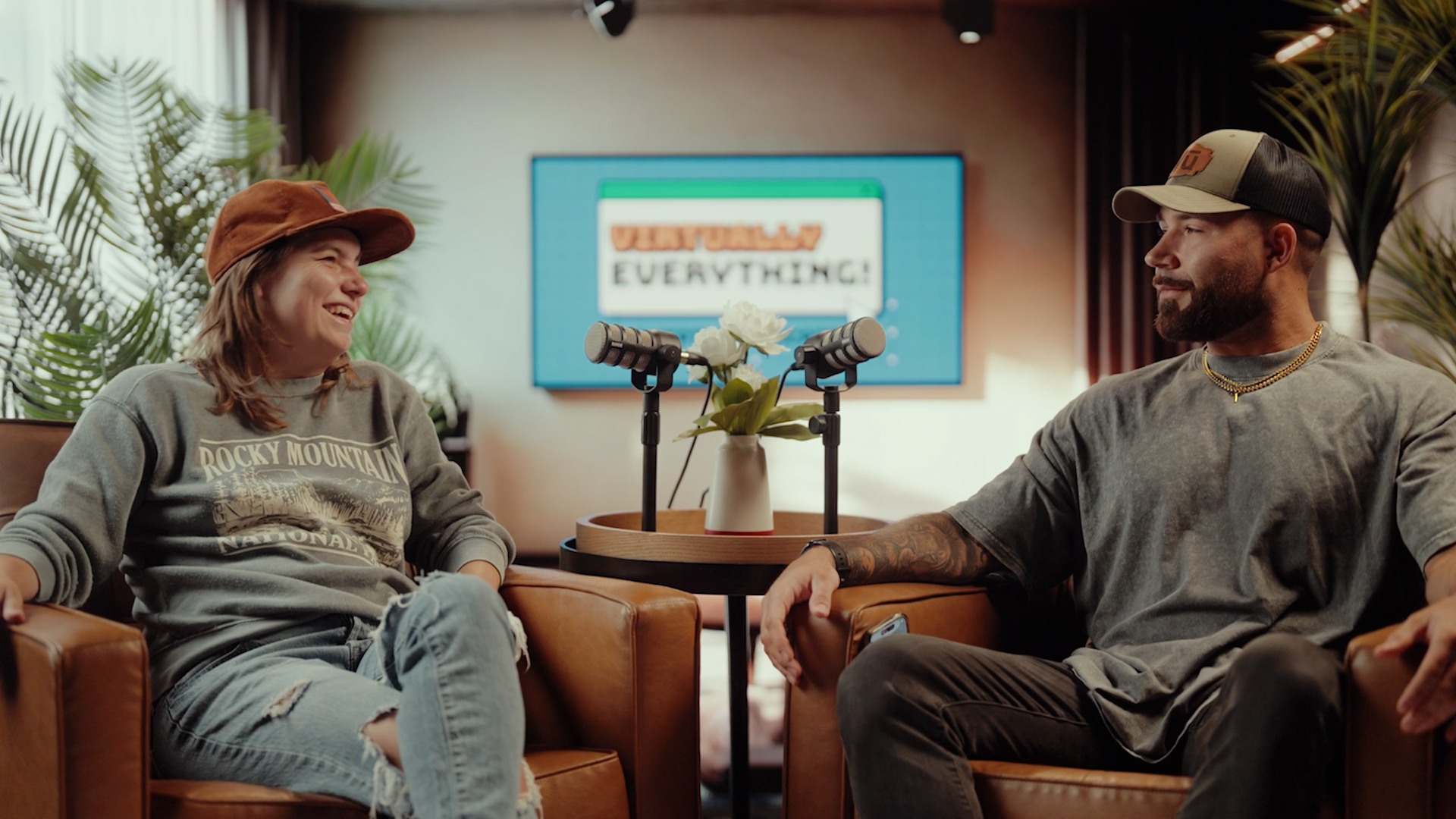
A podcast studio today is no longer just a recording space. It functions as a production environment where visuals, branding, and storytelling operate in real time.
This shift is redefining what a podcast studio actually needs to be.
Vū One Mini and Vū Studio sit at the center of that shift.
The Podcast Studio Is Becoming a Production System
Modern podcasting isn’t built around single recordings anymore. It’s built around continuous content output—long-form episodes, short clips, social edits, and multi-platform publishing.
That changes what the studio has to do.
Instead of a fixed set designed for occasional use, the environment now needs to function as a repeatable content production system that supports:
- Fast guest turnover
- High publishing frequency
- Consistent visual branding
- Multi-format video output
This is where traditional studio setups start to break down. Static sets and manual resets slow down production when content needs to move quickly.
For high-output creators like Scott Melker, host of The Wolf of All Streets, who operates out of a Vū One Mini setup, the environment supports his ability to push out content multiple times a week while maintaining a consistent visual identity and production quality across episodes.
What’s emerging instead is a different model: a controlled, adaptable podcast studio environment that behaves more like infrastructure than a location.
Vū One Mini: A Flexible Video Podcast Studio Environment
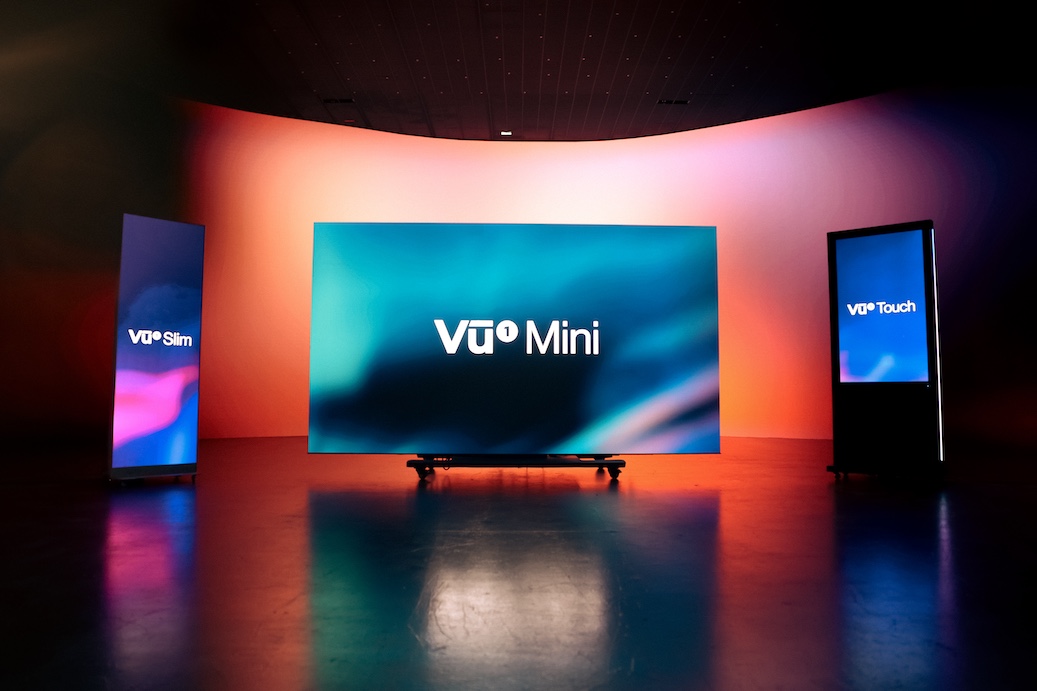
Vū One Mini introduces a new way to think about the physical podcast studio.
Instead of locking into a single visual identity, the space becomes adaptable by design.
A single studio can now support multiple production needs:
- Branded video podcast episodes
- Multi-guest interviews
- Corporate storytelling and internal content
- Social-first video production
This shift also aligns with how people are actively searching today: video podcast studio setup, LED podcast studio, virtual production studio, and flexible content creation environments. The expectation is no longer just a place to record, but a space that can evolve with the content.
That’s the real change. The studio stops being a static backdrop and starts functioning as part of the production workflow itself.
Vū Studio: Real-Time Control of the Environment
If Vū One Mini defines the physical environment, Vū Studio defines how it operates.
It turns the podcast studio into a real-time controllable production system, where visual environments are no longer fixed—they are programmable.
That enables:
- Instant switching between branded environments
- Episode-specific visual design without physical changes
- Consistent output across high-frequency production schedules
Rather than resetting lights, backgrounds, or sets between recordings, teams can adjust the environment digitally as part of the workflow.
In the podcast studio built for Robinhood, this shift goes even further. What started as a dedicated podcast setup now supports a wider range of content because the environment isn’t locked to a single format. With Vū Studio, their team can move between looks, formats, and use cases in real time—expanding what the studio can produce without expanding the space itself.
This is what transforms the podcast studio from a static space into a dynamic content production system.
From Studio Space to Content Infrastructure
What Vū One Mini and Vū Studio introduce is not just a new type of setup—it’s a new way of structuring production.
A single studio can now function as:
- A branded video podcast studio
- A virtual production environment
- A multi-format content hub
- A scalable communication system
All without physical rebuilds or production downtime.
The key shift is not visual—it’s operational. The studio adapts to the content instead of forcing the content to adapt to the studio.
Why This Matters for Modern Content Creation
Content is no longer evaluated within its category alone. A podcast competes visually with everything audiences watch across platforms.
That raises expectations around:
- Production quality
- Visual consistency
- Publishing speed
- Multi-platform adaptability
Traditional studio environments struggle to keep up with those demands because they rely on manual resets and fixed configurations.
In contrast, adaptive systems like Vū One Mini and Vū Studio support a modern workflow: create once, adapt continuously, and publish at scale.
The Bottom Line
The evolution happening in podcasting isn’t just about video.
It’s about the emergence of adaptive production environments designed for continuous content creation.
Vū One Mini and Vū Studio sit at the center of that shift.
They enable podcast studios that are:
- Flexible in visual identity
- Controlled in real time
- Scalable across formats
- Built for high-frequency publishing
And together, they define a new standard for what a podcast studio can operate as—not just where content is recorded, but how it is produced.
See It in Action
Curious what this looks like in a real podcast studio?
Request a demo to see how Vū One Mini and Vū Studio can transform your podcast setup into an affordable, flexible, video-first production space.